Morocco Train Routes: Al Boraq & Al Atlas [2026 Guide]
![Morocco Train Routes: Al Boraq & Al Atlas [2026 Guide]](https://static.moroccotrain.com/images/articles/cover-1773065626181.png)
Morocco boasts an extensive and efficient railway network operated by the Office National des Chemins de Fer (ONCF), connecting major cities and regions across the country. Travelers can choose between the high-speed Al Boraq trains and the conventional Al Atlas trains to navigate Morocco’s diverse landscapes and vibrant cities. As of 2026, the ONCF network transports over 35 million passengers annually, utilizing modern European-style carriages that make train travel the absolute best way to see the country.
Key Train Routes in Morocco:
1. Tangier – Casablanca (Al Boraq High-Speed Train):
• Route: Tangier → Kenitra → Rabat-Agdal → Casablanca Voyageurs
• Distance: Approximately 320 km
• Travel Time: Around 2 hours and 10 minutes
• Frequency: 14 trains per day, departing almost exactly on the hour from 07:00 to 21:00.
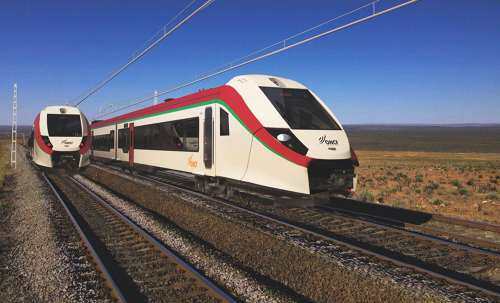
• Highlights: This high-speed service offers rapid connections between the northern port city of Tangier and Casablanca, Morocco’s economic hub, with stops in key cities along the way. Operating at top speeds of 320 km/h, the double-decker TGV Duplex trains provide an incredibly smooth ride. As of 2026, standard 2nd-class tickets average 149 MAD ($15/€14), while spacious 1st-class seats cost roughly 224 MAD ($22/€21). Book early at moroccotrain.com to lock in these rates. Insider tip: Sit on the right side of the carriage heading south for quick, beautiful glimpses of the Atlantic coast near Asilah. Upper-deck seats provide the best vantage points.
2. Casablanca – Marrakech (Al Atlas Train):
• Route: Casablanca Voyageurs → Settat → Benguerir → Marrakech
• Distance: Approximately 220 km
• Travel Time: Around 2 hours and 40 minutes
• Frequency: Multiple departures daily, typically every two hours.
• Highlights: This popular route connects Casablanca to Marrakech, known for its historic sites and vibrant culture. The journey terminates at the stunning Gare de Marrakech, located in the Gueliz district just a 15-minute taxi ride from the Medina. Fares hover around 130 MAD ($13/€12) for 2nd class. Secure your departure time on moroccotrain.com before reaching the station to avoid sold-out trains during peak tourist seasons. Insider tip: Always depart from Casa Voyageurs for Marrakech. The Casa Port station only serves local commuter routes to Rabat and Kenitra.
3. Casablanca – Fes (Al Atlas Train):
• Route: Casablanca Voyageurs → Rabat-Ville → Meknes → Fes
• Distance: Approximately 300 km
• Travel Time: Around 3 hours and 20 minutes
• Frequency: 18 trains per day, running almost hourly.
• Highlights: Travelers can explore Fes, renowned for its ancient medina and rich history, via this convenient connection from Casablanca. First-class carriages on this specific route fill up fast with business commuters. Expect to pay about 116 MAD ($12/€11) in 2nd class or 163 MAD ($16/€15) for a 1st-class upgrade. Grab your tickets on moroccotrain.com to skip the station ticket counter lines. Insider tip: If boarding at Rabat-Ville, stand near Sector C on the platform. This is where first-class cars generally align when the train pulls in.
4. Marrakech – Fes (Al Atlas Train):
• Route: Marrakech → Benguerir → Settat → Casablanca Voyageurs → Rabat-Ville → Meknes → Fes
• Distance: Approximately 500 km
• Travel Time: Around 7 hours and 10 minutes
• Frequency: 8 trains per day
• Highlights: This route links two of Morocco’s most culturally significant cities, offering travelers a scenic journey through diverse landscapes. You will pass through agricultural heartlands, arid plains, and rolling green hills. At roughly 204 MAD ($20/€19) for a 2nd-class seat, this long-haul trip remains incredibly budget-friendly for 2026. Reserve your spot at moroccotrain.com. Insider tip: Bring your own snacks and bottled water. The onboard food trolley occasionally sells out during this 7-hour journey.
5. Casablanca – Oujda (Al Atlas Train):
• Route: Casablanca Voyageurs → Rabat-Ville → Meknes → Fes → Taourirt → Oujda
• Distance: Approximately 600 km
• Travel Time: Around 10 hours
• Frequency: 3 trains per day, including a highly popular night train departing at 20:15.
• Highlights: Connecting the Atlantic coast to Morocco’s eastern border, this route offers both day and overnight travel options. For the night train, a single bed in a 4-berth couchette cabin costs around 350 MAD ($35/€33). Booking overnight trains via moroccotrain.com well in advance is essential since sleeping berths vanish quickly.
6. Casablanca – Nador (Al Atlas Train):
• Route: Casablanca Voyageurs → Rabat-Ville → Meknes → Fes → Taourirt → Nador
• Distance: Approximately 550 km
• Travel Time: Between 8.5 to 10 hours
• Frequency: 4 trains per day, including 2 night trains
• Highlights: This route provides access to Nador, a coastal city near the Mediterranean, with both daytime and overnight services available. Arrival in Nador is typically around 06:00, allowing you to start your day fresh. Overnight fares with a private sleeper bed sit near 370 MAD ($37/€35). Secure your overnight cabin on moroccotrain.com.
Understanding Moroccan Night Trains
For long-haul routes to Oujda and Nador, taking a sleeper train saves you the cost of a hotel night and maximizes your daytime exploring. Below is a breakdown of the sleeping arrangements available in 2026.
| Night Train Cabin Type | Configuration | Average 2026 Price |
|---|---|---|
| Couchette (2nd Class) | Shared 4-bed cabin, communal washroom in corridor | ~350 MAD ($35/€33) |
| Single Sleeper (1st Class) | Private cabin for one, in-room sink, welcome kit | ~600 MAD ($60/€57) |
| Double Sleeper (1st Class) | Private cabin for two, in-room sink, welcome kit | ~450 MAD per person ($45/€42) |
To guarantee a private cabin, you must purchase your tickets ahead of time on moroccotrain.com. Insider tip: Request a lower berth when booking couchette class if you have mobility concerns, as the upper bunks require climbing a small metal ladder.
These routes are integral to Morocco’s transportation network, facilitating travel between major urban centers and regions. For detailed schedules, ticket bookings, and the most up-to-date information, please visit our website, where you can access comprehensive timetables and plan your journey with ease.
Transfer Logistics: Changing Trains Smoothly
Many travelers need to switch trains, especially when connecting from the high-speed Al Boraq network to the conventional Al Atlas lines. Kenitra and Casablanca Voyageurs act as the primary transfer hubs. Connection times are heavily optimized by ONCF. You typically have a comfortable 15 to 25-minute window to change platforms. Insider tip: Look for the underground pedestrian tunnels at Casa Voyageurs to switch tracks safely; modern elevators are available for heavy luggage. Always keep your ticket handy, as ONCF staff manually check them at the platform entrance before you board your connecting service.
Onboard Amenities & Luggage Storage
Traveling by train in Morocco offers a highly comfortable experience, but specific amenities vary by train type. On the high-speed Al Boraq, passengers enjoy free onboard WiFi, strong air conditioning, and a dedicated cafeteria car serving hot coffee, sandwiches, and pastries. Luggage storage is ample. You will find large racks situated at the end of each carriage and overhead bins for smaller backpacks. There are no strict weight limits, provided you can carry your bags yourself.
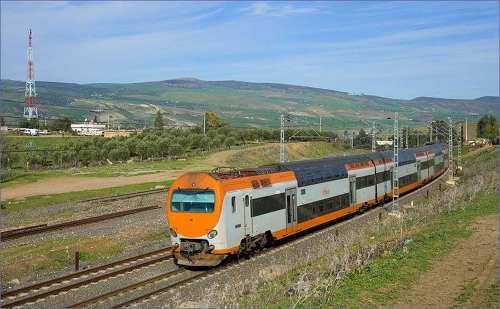
Al Atlas trains do not feature WiFi. They rely instead on a roaming refreshment trolley that passes through the aisles. Insider tip: Keep small change (10 or 20 MAD coins) handy to purchase fresh mint tea or snacks from the trolley. For luggage on Al Atlas routes, securely place heavy suitcases in the floor-level racks near the carriage doors.
Navigating Moroccan Train Stations (2026 Guide)
Major hubs like Casa Voyageurs, Rabat-Agdal, and Tangier Ville recently underwent massive modernizations. You will find clean restrooms (usually costing 2 MAD / $0.20 to enter), secure ATM machines, and international food chains. Electronic departure boards display real-time information in both Arabic and French. Platforms are clearly numbered. Train doors lock automatically two minutes before departure, so arrive at your platform at least 15 minutes early.
Seat Classes: 1st Class vs. 2nd Class
Upgrading your ticket often costs less than $10 USD. Here is a quick breakdown of what you get for your money when booking your Moroccan rail journey on moroccotrain.com.
| Features | 1st Class | 2nd Class |
|---|---|---|
| Seating Arrangement | Assigned seating, 3 seats across (1x2 layout) | Assigned seating, 4 seats across (2x2 layout) |
| Legroom & Comfort | Reclining seats, generous legroom, foldable tables | Standard legroom, fixed seats on Al Atlas |
| Power Outlets | Available at every seat | Available in Al Boraq; limited on Al Atlas |
| Average Price Increase | +30% to 50% above base fare | Base fare |
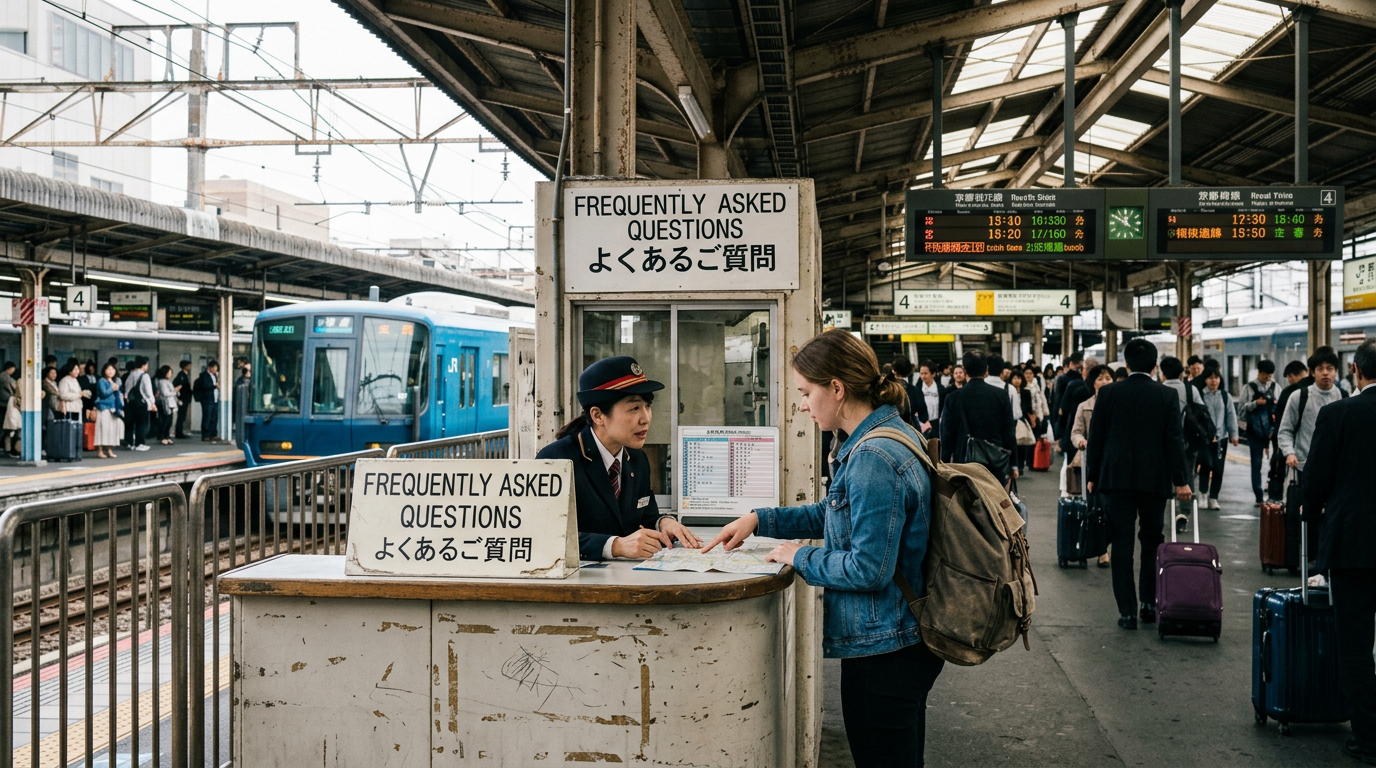
Frequently Asked Questions
How much does a train ticket from Tangier to Casablanca cost?
A high-speed Al Boraq ticket from Tangier to Casablanca typically costs between 150 and 300 MAD (~$15-$30) depending on class and how far in advance you book. First-class tickets cap at around 300 MAD ($30/€28) for last-minute purchases. Prices are dynamic and tend to increase closer to the departure date, so we recommend checking live rates on moroccotrain.com for the best deals. Checking 2026 schedules early ensures you lock in the lower 150 MAD tier.
How do I book Morocco train tickets online?
You can book Morocco train tickets online through the official ONCF portal or via moroccotrain.com by selecting your departure city, destination, and travel date. Electronic tickets are sent directly to your email in PDF format. This allows you to bypass station queues entirely and proceed directly to the platform with a digital or printed QR code ready for scanning.
What is the difference between Al Boraq and Al Atlas trains?
Al Boraq is Morocco's premier high-speed rail service reaching 320 km/h between Tangier and Casablanca using state-of-the-art double-decker trains. Meanwhile, Al Atlas refers to the conventional intercity network connecting cities like Marrakech and Fes at speeds up to 160 km/h. Al Boraq offers significantly shorter travel times and modern amenities like WiFi, whereas Al Atlas provides extensive coverage across the broader national rail system.
How long is the train journey from Casablanca to Marrakech?
The train journey from Casablanca Voyageurs to Marrakech takes approximately 2 hours and 40 minutes on the Al Atlas service. With multiple departures throughout the day, you can easily find a schedule on moroccotrain.com that fits your travel itinerary, ensuring a comfortable trip to the Red City. Insider tip: The landscape shifts dramatically in the final 45 minutes approaching Marrakech, revealing stunning views of the arid Agafay plains. Keep your camera ready on the left side of the train.
Are there direct trains from Marrakech to Fes?
Yes, there are approximately 8 direct Al Atlas trains per day connecting Marrakech and Fes, with a total travel time of around 7 hours and 10 minutes. This scenic route passes through major hubs like Casablanca and Rabat, making it a popular choice for travelers exploring Morocco's imperial cities without the hassle of transferring luggage between platforms. Secure your direct tickets on moroccotrain.com to guarantee a smooth, uninterrupted ride.