Morocco Train Travel 2026: Routes, Fares & Booking Tips
Morocco Train Travel 2026: Complete Guide to Booking and Riding Trains
Key Takeaway: High-speed Al Boraq trains connect Tangier to Casablanca in just 2 hours and 10 minutes for around $25. Standard Al Atlas trains handle the rest of the country, but first-class tickets sell out days in advance. Skip the station queues and card payment errors by securing your seats early for your Morocco train travel at moroccotrain.com.
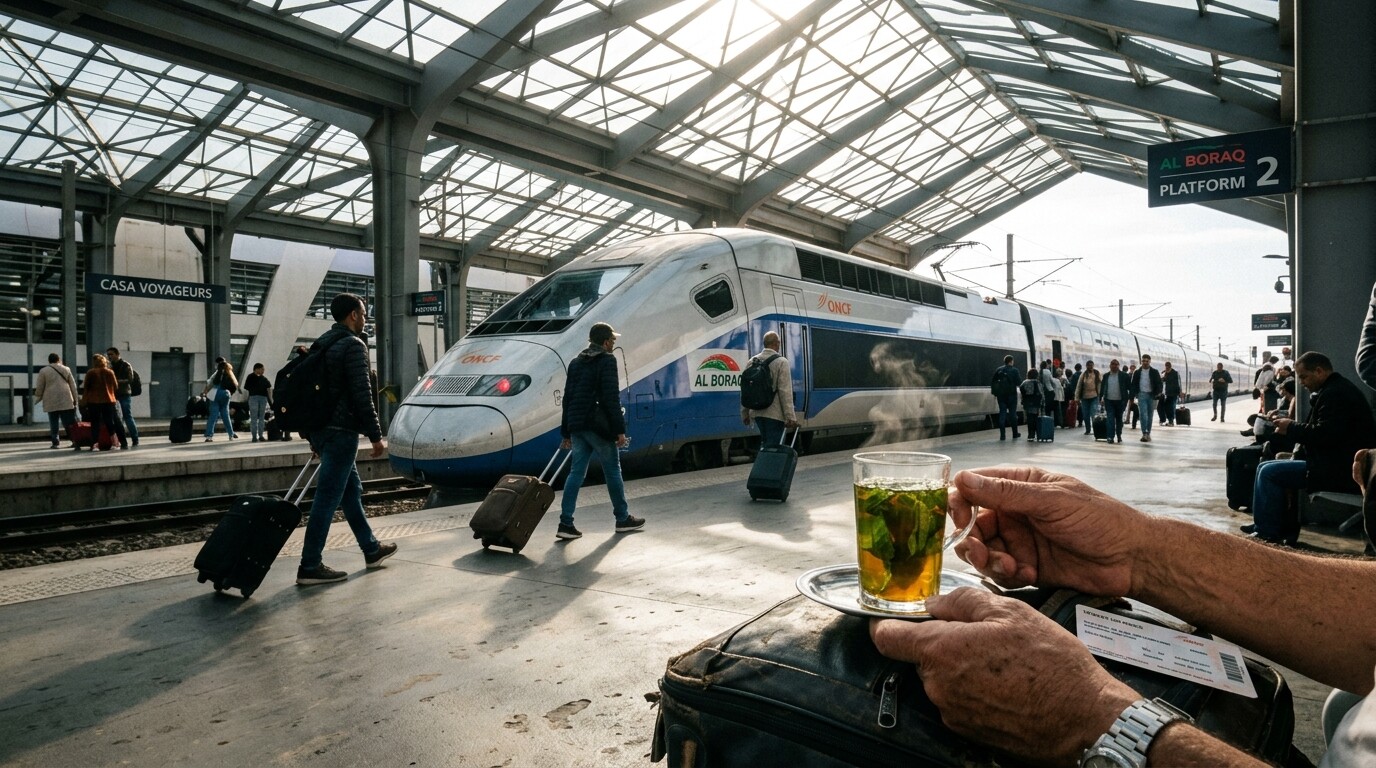
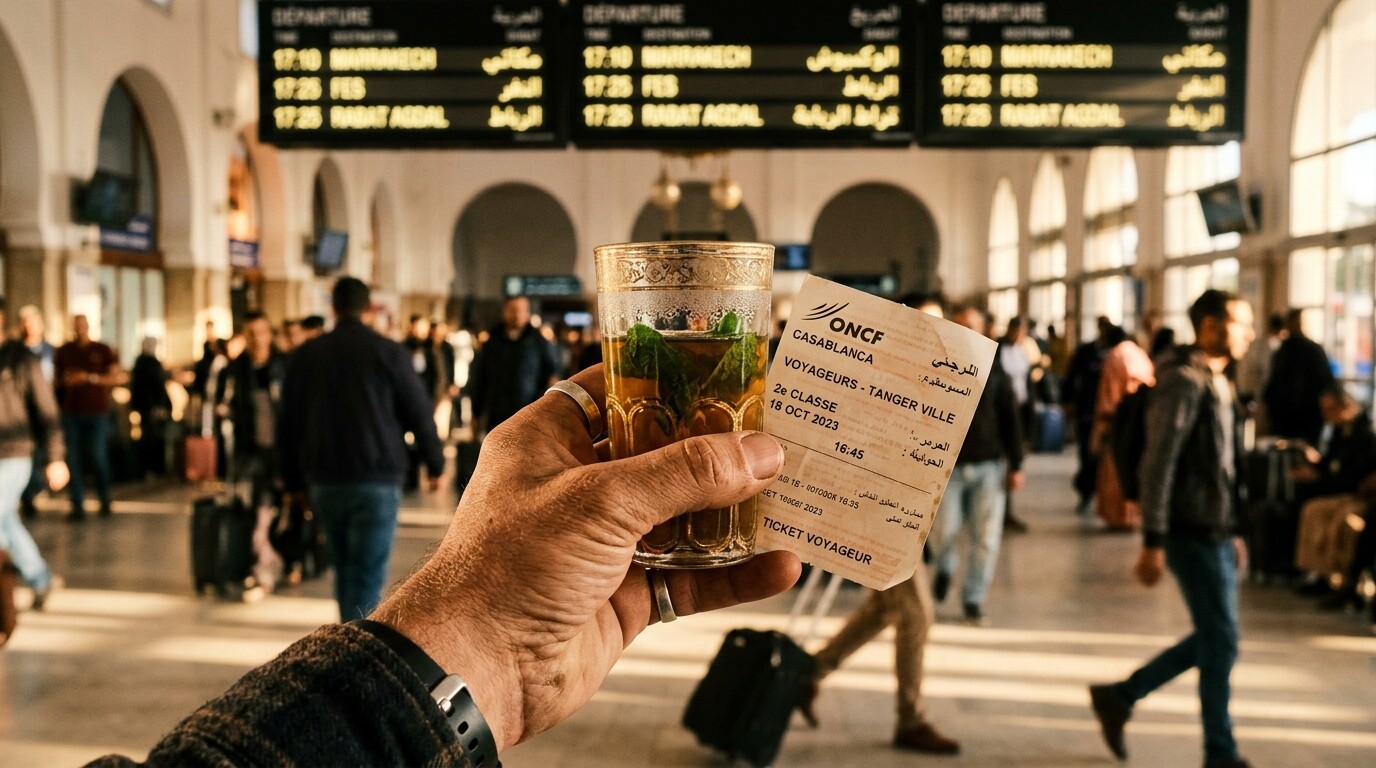
Sunlight slices through the Casa Voyageurs glass roof. You grab a perfectly sweet mint tea before boarding the sleek Al Boraq high-speed train waiting at platform three. Figuring out Morocco train travel in 2026 requires a little insider knowledge. The process is actually quite straightforward. But you still need to know the basic rules before showing up at the departure platform. As we look ahead to the 2026 travel season, passenger numbers are hitting record highs. Planning ahead is no longer just a suggestion; it is a strict requirement for stress-free train travel in Morocco.
Whether you are a first-time visitor planning to hop between Marrakech and Fes, or a seasoned traveler looking to explore the coastal route from Tangier to Casablanca, Morocco's rail network offers an affordable and scenic way to see the country. The trains are clean, the staff are generally helpful, and the views from the window—rolling green hills, snow-capped Atlas Mountain foothills, and vast orange orchards—are worth the ticket price alone. This guide covers everything you need to know about Morocco train travel in 2026, from booking your first ticket to stepping off the platform at your final destination.
Overview of Morocco Train Travel: Key Facts for 2026
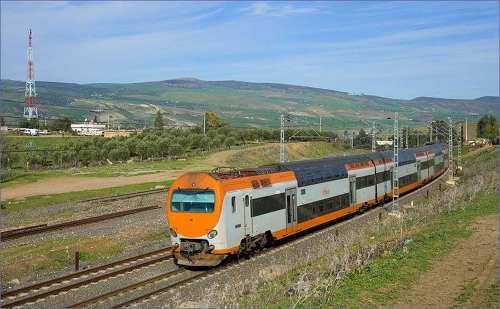
According to Lonely Planet, the national railway is run by ONCF (Office National des Chemins de Fer). They operate two completely different tiers of Moroccan train travel across the country. Understanding how these two systems work together is the foundation of every successful trip. The network spans roughly 3,600 kilometers of track, connecting the Mediterranean coast to the Saharan fringe. Each train type has its own booking rules, pricing structure, and comfort levels.
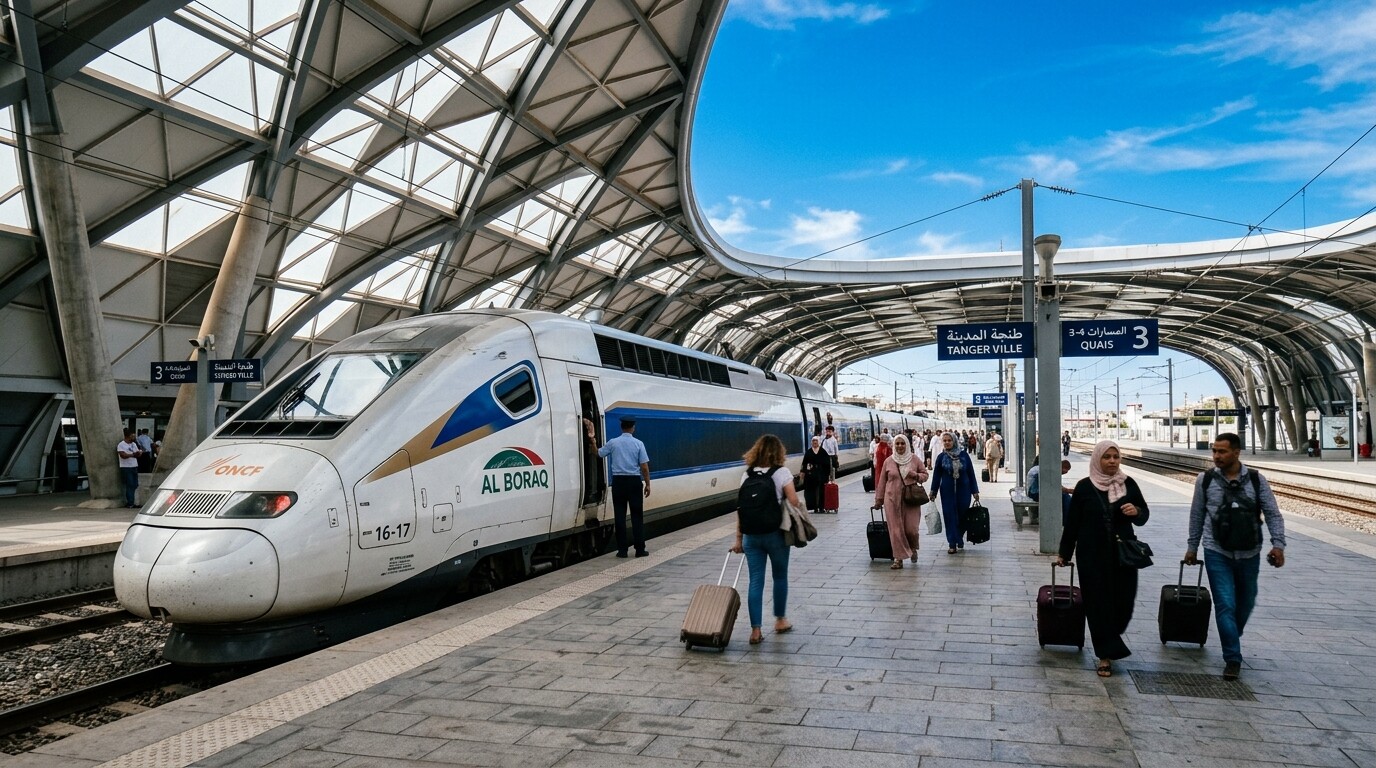
- Al Boraq: Africa's only high-speed rail line. It runs up to 320 km/h between Tangier, Kenitra, Rabat, and Casablanca. These sleek blue-and-white trains were built by Alstom and modeled after France's TGV system. Every seat is reserved, and the onboard experience is comparable to European high-speed services. Wi-Fi is available in most cars, and the ride is exceptionally smooth even at top speed.
- Al Atlas: The traditional rail network. These trains connect Marrakech, Fes, Meknes, Oujda, Nador, and dozens of smaller towns at standard speeds. Al Atlas trains run on diesel-powered locomotives and are considerably older than their high-speed counterparts. First-class seats are still comfortable, but second class can feel cramped on popular holiday routes. These trains also make more frequent stops, which adds time but lets you see smaller Moroccan towns you might otherwise miss.
- Booking Window: Tickets usually open three months ahead. Fares operate on a dynamic pricing model, so they get more expensive closer to departure. The cheapest fares—sometimes up to 40% below the standard price—appear when tickets first go on sale. If you know your travel dates, booking early is the single best way to save money on Morocco train travel.
- Currency and Payment: Fares are listed in Moroccan Dirhams (MAD). At current exchange rates, 1 USD equals roughly 10 MAD. Many international visitors find it easier to book through platforms that display prices in their home currency, which eliminates confusion at checkout.
Knowing the difference between these two train types is the secret to smooth Morocco train travel.
Morocco's 2026 Rail Expansion and Passenger Trends
Morocco is actively expanding its rail infrastructure in preparation for future global events. The country is co-hosting the 2030 FIFA World Cup alongside Spain and Portugal, which has accelerated several long-planned rail projects. A high-speed extension from Kenitra southward to Marrakech is currently in the advanced planning stages. While the core routes remain the same for 2026, train frequency has increased on the busiest corridors—particularly Casablanca to Marrakech and Casablanca to Fes. Over 35 million passengers now use the ONCF network annually, a number that has grown steadily since the Al Boraq line launched in 2018.
This surge in popularity means securing your ideal departure time requires immediate action. Weekend and Friday-afternoon trains fill up fast as Moroccans travel home for family gatherings. Holiday periods like Eid al-Fitr, Eid al-Adha, and the summer school break in July and August see trains packed to capacity. You can easily check real-time availability and lock in your schedule today at moroccotrain.com.
Major Train Routes in Morocco: Realistic Travel Times for 2026
High-speed rail changed everything for coastal transit. The journey from Tangier to Casablanca used to take nearly five grueling hours. Now it takes just two hours and ten minutes. The Al Boraq high-speed train remains the single most efficient way to travel between Morocco's northern coastal hubs. You can read more about Major Train Routes in Morocco to plan your exact Morocco train travel itinerary.
But what about reaching the inland imperial cities? The Al Atlas trains handle the southern and eastern corridors. You will spend about two hours and forty minutes riding from Casablanca down to Marrakech. The route from Casablanca to Fes takes roughly four hours. The longer Marrakech-to-Fes route crosses the Middle Atlas Mountains and is one of the most scenic rail journeys in North Africa, taking approximately six and a half hours with a required change at either Casa Voyageurs or Meknes. Check the Casablanca to Marrakech Train Tickets: Schedules & Booking page for exact daily departures.
For travelers heading east, the Casablanca to Oujda route runs along the Algerian border region and takes roughly ten hours with connections. A popular alternative is to take the train from Fes to Meknes (just 45 minutes) and then continue eastward. Nador, on the Mediterranean coast, is also reachable by rail via a branch line from Taourirt. These eastern routes are less crowded and offer a more authentic glimpse into everyday Moroccan life away from the tourist trail.
Airport Transfers: Connecting Mohammed V Airport by Train
Landing at Casablanca's Mohammed V International Airport (CMN)? You can catch the Al Bidaoui local train directly from the arrivals terminal. It runs every hour from 6:00 AM to 10:00 PM, with additional departures during peak hours. A second-class ticket costs just $5 (50 MAD) and gets you to Casa Voyageurs in about 45 minutes. The train station is located on Level 1 of the airport terminal, clearly signposted from the arrivals hall. From there, you can continue your Morocco train travel by connecting to the high-speed Al Boraq or the southbound Al Atlas lines without ever stepping foot in a taxi.
One important note: there is no direct train connection from Marrakech Menara Airport or Fes-Saïs Airport. For Marrakech, you will need to take a taxi or the No. 19 airport bus to the Marrakech railway station, which takes about 15 minutes. For Fes, a petit taxi to the Fes station costs around $5 to $7 and takes roughly 20 minutes depending on traffic. Planning these transfers in advance saves you time and eliminates the stress of negotiating fares on arrival.
| Route | Train Type | Duration | Average 1st Class Fare | Action |
|---|---|---|---|---|
| Tangier to Casablanca | Al Boraq | 2h 10m | $30 - $40 | Book Now |
| Casablanca to Marrakech | Al Atlas | 2h 40m | $18 - $25 | Book Now |
| Rabat to Tangier | Al Boraq | 1h 20m | $20 - $28 | Book Now |
| Marrakech to Fes | Al Atlas | 6h 30m | $35 - $45 | Book Now |
| Casablanca to Fes | Al Atlas | 3h 50m | $22 - $30 | Book Now |
| Rabat to Marrakech | Al Atlas | 3h 30m | $20 - $28 | Book Now |
| Fes to Meknes | Al Atlas | 45m | $6 - $10 | Book Now |
| Casablanca Airport to Casa Voyageurs | Al Bidaoui | 45m | $5 (fixed fare) | Book Now |
Always check the latest prices on moroccotrain.com before planning your daily budget. Prices fluctuate based on demand, time of day, and how far in advance you book.
First Class vs. Second Class Fares for Morocco Train Travel
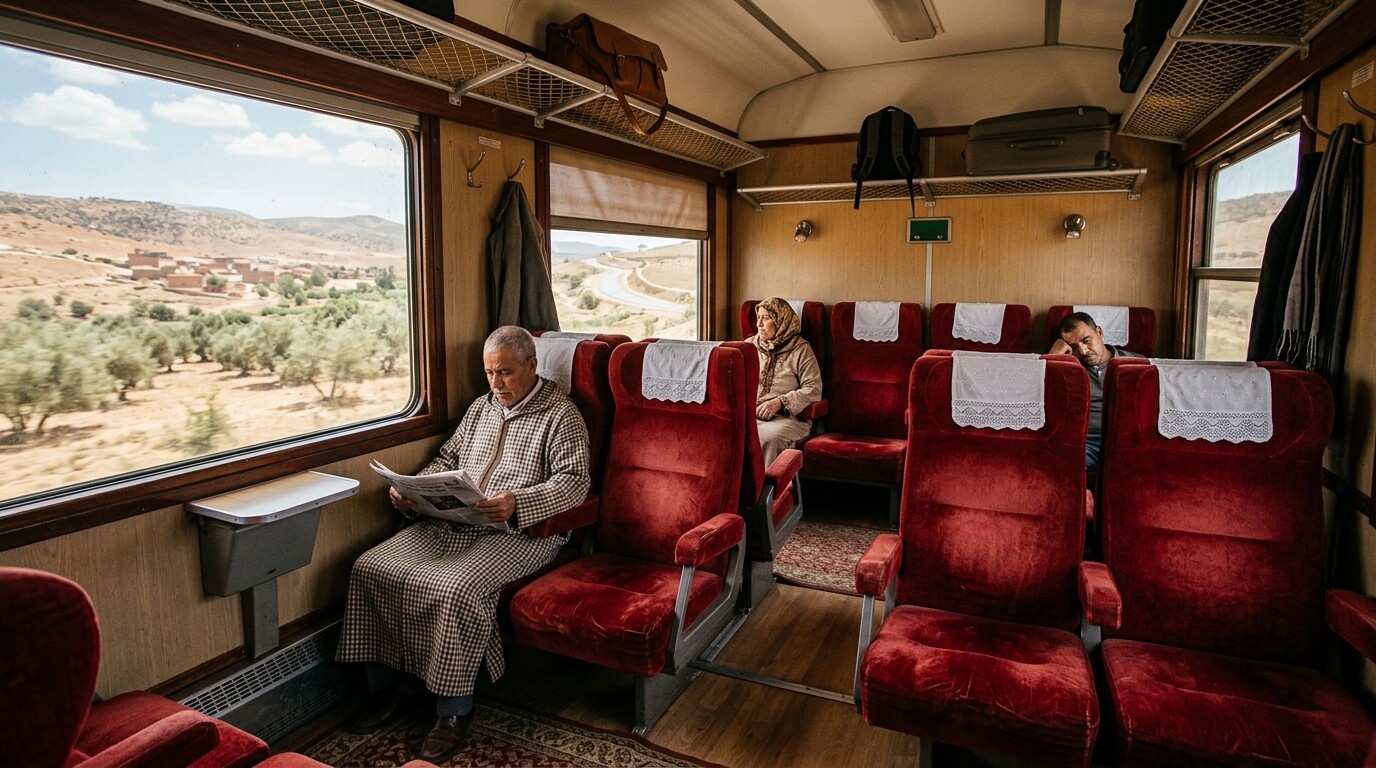
Choosing your seat class matters greatly for train travel in Morocco. Second class is perfectly safe and perfectly fine. But the air conditioning struggles during July, and you are not guaranteed a seat on Al Atlas trains. First class gets you a reserved seat in a spacious six-person compartment. Paying the extra $8 to $15 for a first-class ticket is the best investment you can make for Morocco train travel.
The legroom puts most modern European airlines to shame. You also get access to dedicated luggage racks right above your oversized, plush reclining seat. First-class compartments on Al Atlas trains are arranged in a 2+1 seating configuration, meaning one side of the aisle has two seats and the other has a single seat. If you are traveling solo, request the single seat for maximum privacy and space. On Al Boraq high-speed trains, first class uses an open-plan layout with wider individual seats, similar to business class on European intercity trains.
Second class, by contrast, uses a tighter 2+2 configuration with narrower seats and less padding. During peak travel periods, second-class carriages can become standing-room only, especially on the Casablanca–Marrakech and Casablanca–Fes corridors. If you are traveling with large luggage in second class, finding space in the overhead racks can be a challenge. Find out more about the Seats of Morocco Trains before making your final selection.
Onboard Amenities: Wi-Fi, Power Outlets, and Dining on Moroccan Trains
Modern travelers need modern comforts. High-speed Al Boraq trains feature standard European-style power outlets (Type C and Type E plugs) at every seat in first class, ensuring your phone stays charged for navigation. Second-class passengers usually share outlets located beneath the window. Free Wi-Fi is still rolling out across the traditional network—it is reliably available on Al Boraq but spotty or nonexistent on most Al Atlas routes. Downloading your podcasts, offline maps, and entertainment before arriving at the station remains a smart move for Moroccan rail travel.
Hungry? The Al Boraq cafeteria car serves decent espresso, fresh pastries, and light sandwiches for around $3 to $6. The coffee is surprisingly good—Morocco takes its café culture seriously, even on trains. On Al Atlas trains, a roaming snack cart passes through the carriages periodically selling bottled water, chips, cookies, and canned drinks. Prices from the cart are slightly marked up compared to station kiosks but still very affordable. For longer journeys like Marrakech to Fes, we strongly recommend bringing your own food. Pack a sandwich, some fruit, and at least one liter of water per person. Moroccan train stations have small shops and bakeries near the entrance where you can stock up before boarding.
A cultural note: during Ramadan, the cafeteria car on Al Boraq may be closed during daylight hours. The snack cart on Al Atlas trains might not operate until after sunset. If you are traveling during the holy month and are not fasting, bring extra provisions to sustain yourself during daytime journeys.
| Feature | First Class | Second Class |
|---|---|---|
| Seat Reservation | Always guaranteed | Guaranteed on Al Boraq only |
| Seating Layout | Spacious 2+1 or 6-seat cabins | Standard 2+2 or 8-seat cabins |
| Air Conditioning | Strong and reliable | Variable during peak summer |
| Luggage Space | Ample overhead and end-of-car | Can get crowded quickly |
| Power Outlets | At every seat | Shared, beneath windows |
| Noise Level | Quieter, families often separated | Busier, more crowded |
| Price Difference | $8 - $15 more than second class | Base fare |
Don't risk standing in the aisle for three hours. Book train tickets online in first class to guarantee your absolute comfort from departure to arrival.
How to Book Morocco Train Tickets Online: Avoid Payment Issues
Buying tickets directly from the national site is frustrating. The official ONCF portal rejects about ninety percent of foreign credit cards without any warning. You will waste hours typing in your details only to get a vague error message. Even travelers with European or American cards that work perfectly on other international sites report repeated failures on the ONCF platform. The site also occasionally times out during the payment step, meaning you have to start the entire booking process over from scratch. Booking your Morocco train travel tickets directly through a dedicated booking service guarantees your payment goes through and your tickets arrive in your inbox instantly.
This is exactly why smart travelers use alternatives. You can easily learn How to Book & Ride Moroccan Trains on Our Website to skip the headache entirely. We process international cards smoothly—including Visa, Mastercard, and American Express—and send your digital ticket with a scannable QR code. No need to visit a ticket counter, no need to print anything, and no need to speak French or Arabic at the station window.
3 Simple Steps to Book Morocco Train Tickets Online
- Step 1: Visit moroccotrain.com and enter your exact travel dates and destination cities. The system will display all available departures for that day, including both Al Boraq and Al Atlas options where applicable.
- Step 2: Select your preferred departure time. We highly recommend choosing a first-class seat for maximum comfort and guaranteed luggage space. If you are connecting between trains, allow at least 45 minutes between arrivals and departures at the same station to account for platform changes and any minor delays.
- Step 3: Pay securely with your standard international credit card. Your scannable PDF tickets arrive in your email instantly. Save them to your phone's wallet or take a screenshot as a backup in case of connectivity issues at the station.
Looking ahead to the 2026 and 2026 travel seasons, digital tickets are the absolute standard. You just show the PDF on your phone to the conductor. They will scan the QR code and verify your seat assignment in seconds. If you prefer a paper ticket, you can also print your PDF at home before traveling. Secure your seats now at moroccotrain.com.
What Happens If Your Train Is Delayed or Canceled?
Train delays in Morocco are uncommon but not unheard of. Mechanical issues, extreme weather, and occasional track maintenance can cause disruptions of 15 to 45 minutes. ONCF does not typically offer automatic compensation for short delays. However, if your train is canceled entirely, you are entitled to board the next available departure on the same route at no extra charge. Keep your ticket handy and speak to the station staff at the information desk. If you booked through moroccotrain.com, our support team can also assist you with rebooking.
Pro Tips for Navigating Moroccan Railways: A Traveler's Guide
- Bring your own snacks for long Morocco train travel journeys on Al Atlas. The high-speed trains have a decent cafeteria car, but standard trains only offer a roaming snack cart with limited options. Pack Moroccan pastries from a local patisserie—they cost next to nothing and taste incredible.
- Arrive thirty minutes early. Security checks at major stations like Casa Port, Rabat Agdal, and Marrakech take time during the morning rush hour. You need to scan your ticket at the platform gate, and queues can stretch during peak periods. Arriving early also gives you time to locate your platform, buy water, and use the restroom before boarding.
- Beware of the station taxi hustle. Drivers waiting directly outside the doors will quote you quadruple the metered rate. Always insist on the meter ("compteur, s'il vous plaît") or agree on a fixed price before getting in. Read our guide on Marrakech Railway Station: 5 Tips to Skip Queues & Taxi Scams to avoid getting ripped off. In Casablanca, the tram system connects Casa Voyageurs station directly to the city center for just $0.60 (6 MAD), making taxis unnecessary for most visitors.
- Book first class for luggage security. The overhead racks in premium cabins easily fit a large suitcase, keeping your bags within your direct line of sight. In second class, bags sometimes need to be stacked on the floor near the doors, which can be stressful on crowded trains.
- Use the correct station names. Casablanca has "Casa Port" for local trains and "Casa Voyageurs" for long-distance and high-speed routes. Mixing these up can cost you an hour. Similarly, Rabat has "Rabat Ville" (the main central station) and "Rabat Agdal" (a newer station in the southern part of the city). Always double-check your ticket for the exact station name.
- Lock in holiday travel early. During Eid or the busy 2026 summer season, trains sell out completely. You must book train tickets online at least a week in advance. For peak dates like Eid al-Fitr or New Year's, booking three to four weeks ahead is strongly recommended.
- Plan around Ramadan. If your trip coincides with the holy month, train schedules shift dramatically. Evening departures right at sunset are often canceled so staff can break their fast. Some routes operate on reduced frequency during the afternoon. Check schedules carefully and have a backup plan.
- Learn basic French or Arabic phrases for the train. Station announcements are made in Arabic and French. Knowing words like "quai" (platform), "en retard" (delayed), and "première classe" (first class) will help you navigate more confidently. Most conductors speak some English on the high-speed Al Boraq line, but Al Atlas staff may not.
- Download the ONCF app before you travel. While the app is not perfect, it does provide real-time train tracking and platform information. Combine it with your booking confirmation from moroccotrain.com for a complete digital travel toolkit.
Understanding Luggage Allowances on Moroccan Trains
Unlike budget airlines, Morocco train travel does not come with strict luggage weight limits. You can generally bring one large suitcase and a carry-on bag without paying extra fees. However, you must be able to lift your own bags up the steep train steps and onto the overhead racks. There are no porters or luggage assistance services at most stations. If you are traveling heavy, first class offers significantly more floor space for oversized bags.
Traveling with a surfboard, bicycle, or massive trekking backpack? You must store these bulky items in the designated baggage car at the end of the train. Bicycles usually incur a small supplemental fee of around $3 (30 MAD). Surfboards up to 2 meters in length are generally accepted without extra charge, but you should arrive early to ensure there is space. Always keep your valuables—like laptops, passports, and cameras—in a smaller daypack right at your seat. While theft on Moroccan trains is rare, it is always better to keep expensive items within arm's reach.
Station Facilities: What to Expect at Moroccan Train Stations
Major stations like Casa Voyageurs, Marrakech, Rabat Ville, and Fes are well-equipped with waiting areas, ticket counters, small cafés, and clean restrooms. Smaller regional stations may have limited facilities—sometimes just a platform and a ticket window. ATMs are available at the larger stations, and most accept international cards. Free drinking water fountains exist at some stations but are not guaranteed, so carrying a refillable water bottle is wise. Wi-Fi is available at Casa Voyageurs and Rabat Agdal but is unreliable elsewhere. Charging stations for phones are increasingly common at major hubs but should not be counted on for your entire journey.
Frequently Asked Questions About Morocco Train Travel
How do I book Morocco train travel tickets online?
You can book Morocco train tickets online through the official ONCF portal or simplified booking platforms like moroccotrain.com to avoid international payment issues. It is highly recommended to book at least 72 hours in advance to ensure seat availability on popular routes. For peak travel dates, booking two to four weeks ahead gives you the best selection of departure times and seat classes. Digital tickets with QR codes are accepted on all Moroccan trains, so there is no need to print your confirmation.
What is the fastest train in Morocco?
The Al Boraq is the fastest train in Morocco, operating as Africa's first high-speed rail line with speeds up to 320 km/h. It connects Tangier to Casablanca in just 2 hours and 10 minutes, significantly faster than traditional rail services. Intermediate stops at Kenitra and Rabat add only a few minutes to the total journey time. The Al Boraq launched in November 2018 and has since become the preferred mode of transport for both business travelers and tourists moving between Morocco's northern coast and its economic capital.
How long is the train from Casablanca to Marrakech?
The train journey from Casablanca to Marrakech takes approximately 2 hours and 40 minutes via the Al Atlas service. These trains depart regularly from the Casa Voyageurs station, with the first departure typically around 6:00 AM and the last around 9:30 PM. Both first and second-class seating are available. The route passes through fertile agricultural plains and offers occasional views of the distant Atlas Mountains as you approach Marrakech. We recommend booking a morning departure to arrive with the full day ahead of you.
Are train fares in Morocco fixed or dynamic?
Train fares in Morocco operate on a dynamic pricing model, meaning prices increase as the departure date approaches and seats fill up. Booking your tickets three months to several weeks in advance will yield the lowest possible fares for your Morocco train travel. Conversely, buying a ticket at the station on the day of departure will almost always cost more—sometimes 30% to 50% above the advance booking price. First-class fares fluctuate more dramatically than second-class fares because there are fewer premium seats available.
Is there a difference between first and second class on Moroccan trains?
First-class carriages in Morocco offer assigned seating, extra legroom, and a quieter atmosphere compared to second class. The seats are wider, the compartments are less crowded, and the air conditioning is more powerful. While both classes are comfortable for short journeys, first-class tickets often sell out days in advance during peak tourist seasons. On longer routes like Marrakech to Fes, the difference in comfort is substantial. The price premium for first class is typically only $8 to $15 more than second class, making it an excellent value upgrade for any journey over two hours.
Which cities are connected by the high-speed Al Boraq train?
The Al Boraq high-speed line currently connects the cities of Tangier, Kenitra, Rabat, and Casablanca. Trains run approximately every hour during peak times and every two hours during off-peak periods. For travel to southern cities like Marrakech or eastern cities like Fes, passengers must transfer at Casa Voyageurs to the Al Atlas network to continue their Morocco train travel. The transfer is straightforward—both services operate from the same station, and clear signage directs you between platforms.
Is it safe to travel by train in Morocco?
Yes, Morocco train travel is very safe for both solo travelers and families. Trains are staffed with conductors and security personnel. Major stations have visible police presence and security screening at entrances. Petty theft can occur on any public transport system worldwide, so standard precautions apply: keep valuables close, lock your luggage if possible, and avoid displaying expensive electronics unnecessarily. Solo female travelers frequently use Moroccan trains without incident, though opting for first class provides an added layer of comfort and privacy.
Can I use my mobile phone ticket on Moroccan trains?
Yes, digital tickets with QR codes are fully accepted on all Moroccan trains. Simply display the PDF on your phone screen when the conductor passes through your carriage. Make sure your phone is charged before boarding, or save a screenshot of the QR code as a backup. If you prefer a printed ticket, you can also print your PDF at home or at any station kiosk. Booking through moroccotrain.com ensures your digital ticket is formatted correctly for quick scanning.
![Morocco Train Routes: Al Boraq & Al Atlas [2026 Guide]](https://static.moroccotrain.com/images/articles/cover-1773065626181.png)