
Thailand Train Luggage Rules: Size Limits & Storage (2026)
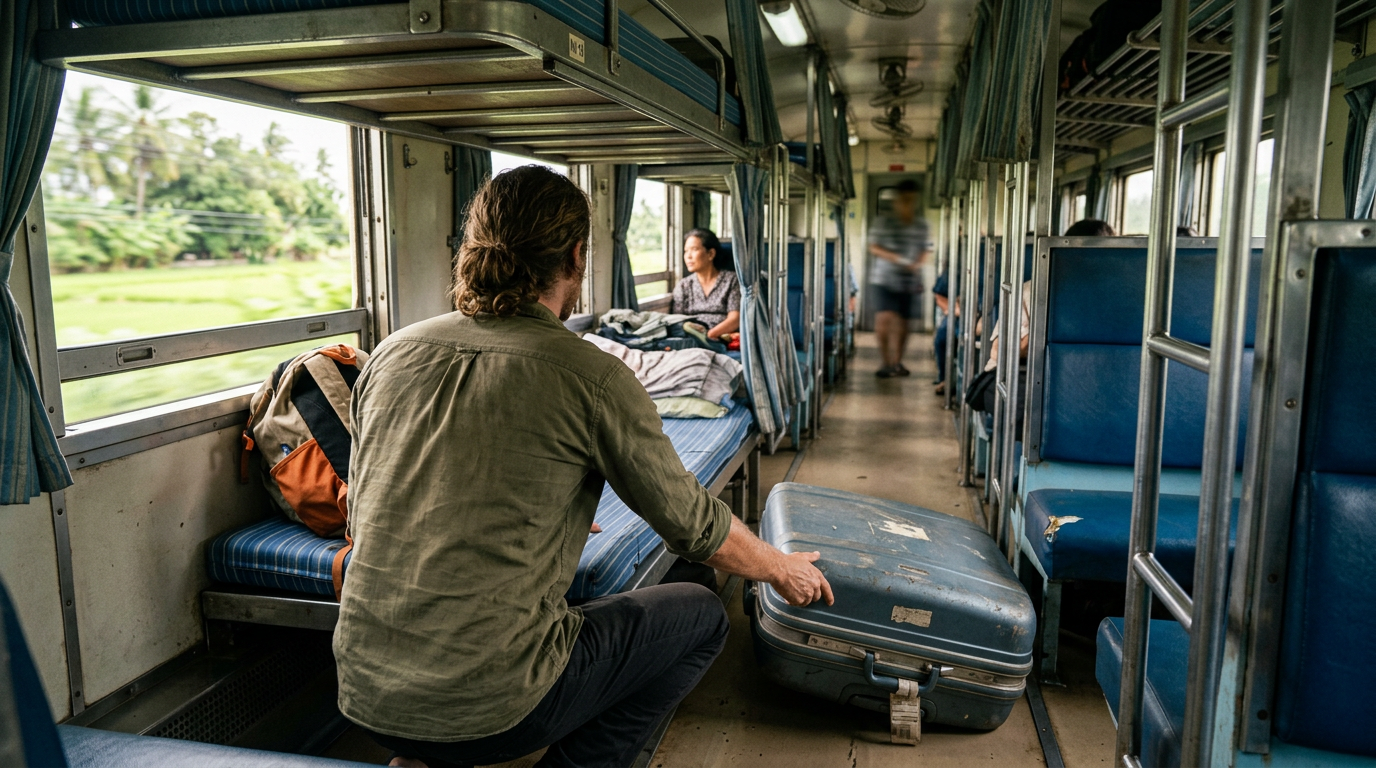
Key Takeaway: State Railway of Thailand (SRT) luggage allowances depend strictly on your ticket class, ranging from 50kg in First Class to 30kg in Third Class. Excess baggage fees are remarkably cheap—usually between 50 and 150 THB ($1.50-$4.50) per oversized item, payable at the station cargo desk. Pack a medium 65-liter backpack or a 24-inch suitcase to easily fit under the lower bunk space as per Thailand train luggage rules, and book your Thailand train tickets online to secure your preferred berth before they sell out.
Picture yourself dragging a massive 30-inch hard-shell suitcase down the narrow corridor of a moving overnight train. It clatters against the cabin doors. It blocks the aisle. And when you finally reach your berth, it completely refuses to fit under the lower bunk. Understanding the Thailand train luggage rules before you pack will save you from this exact scenario. The State Railway of Thailand (SRT) is incredibly accommodating compared to budget airlines, but physical space on a train carriage is an absolute limit you cannot negotiate with.
You might be carrying a battered 40-liter Osprey pack. Or maybe you're hauling two large suitcases across the country. Either way, knowing exactly where your bags will go makes the journey infinitely more relaxing. Let's look at what you can bring, where it actually fits, and when you need to hand over a few extra Baht for oversized gear.
Quick Overview: Thailand Train Luggage Rules at a Glance
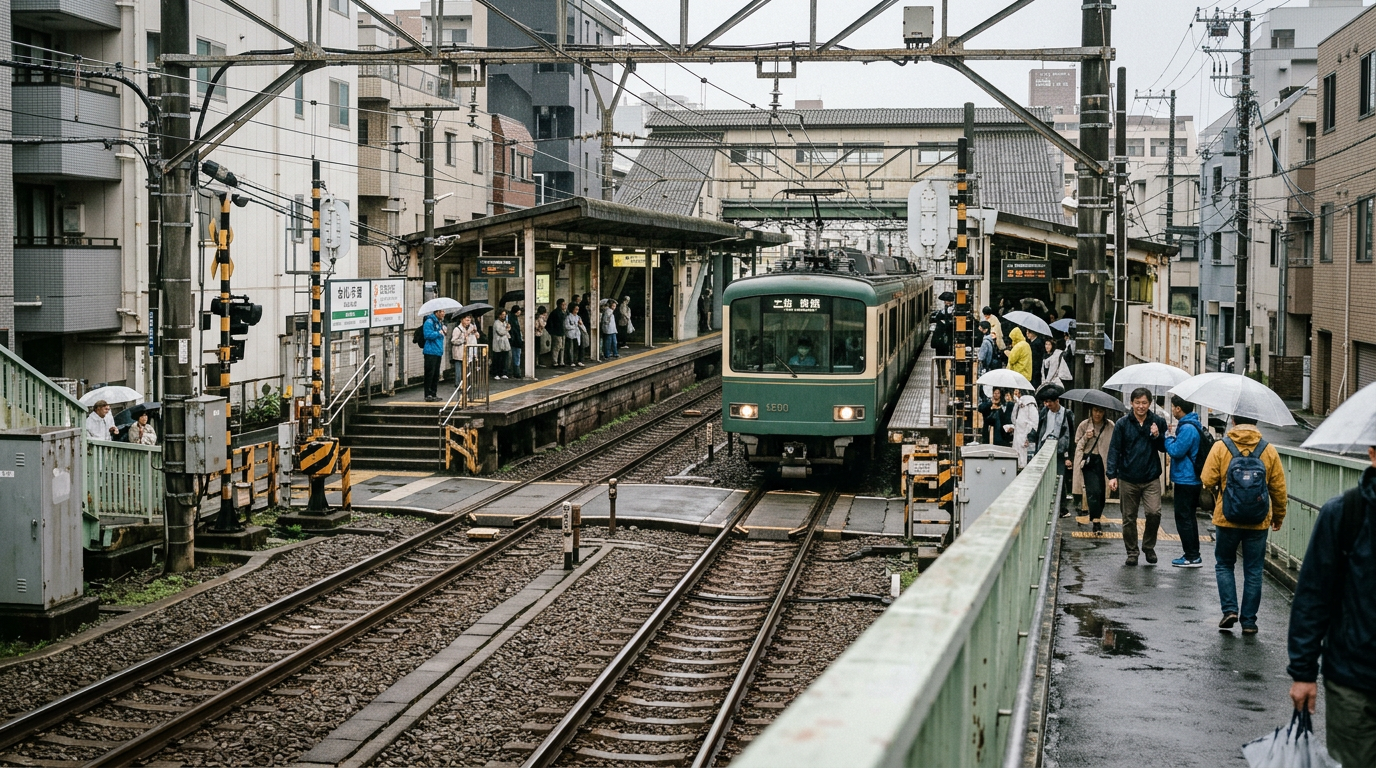
Before we break down the specifics of each carriage type, here is the baseline reality of baggage on Thai trains heading into 2026. Keep these rules in mind as you plan How to travel Thailand by train?.
- Weight Allowances: 50kg for 1st Class, 40kg for 2nd Class, and 30kg for 3rd Class.
- Item Limits: Technically, you are allowed one large item and one small personal item (like a daypack or purse) per passenger.
- The "Under-Bunk" Rule: The golden dimension for 2nd Class sleepers is 24 inches. Anything larger than a standard 24-inch medium checked bag will not slide under the lower bunk.
- Weigh-ins: Station staff rarely weigh standard backpacks or medium suitcases. They only break out the scales if you show up with massive cardboard boxes or visibly unmanageable loads.
- Bicycles: You can bring them, but only on trains that have a dedicated baggage car (freight van).
Weight and Size Limits Under Thailand Train Luggage Rules
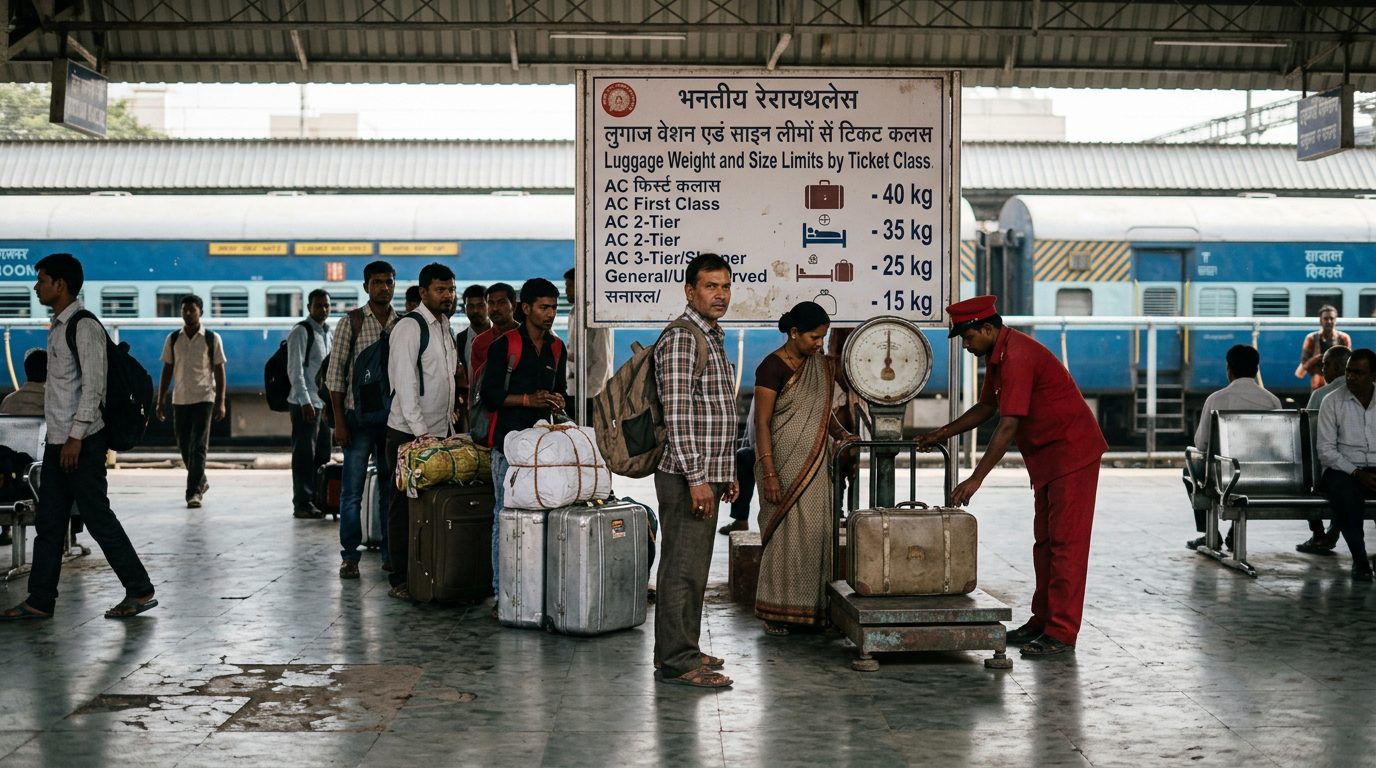
The class of ticket you buy dictates how much you can bring. This isn't just arbitrary bureaucracy. It directly correlates to the physical space available in that specific carriage type. The State Railway of Thailand officially enforces Thailand train luggage rules weight limits based on your ticket tier: 50kg for First Class, 40kg for Second Class, and 30kg for Third Class.
First Class (Air-Conditioned Sleepers)
First Class cabins are private rooms. You get 50kg of allowance here, which is frankly massive. Because you have a private lockable door, you can essentially stack your bags wherever you want within the room. If you are traveling solo in a First Class cabin, you have the entire floor space to yourself. Just remember that the new CNR trains (the shiny red and silver ones) have slightly tighter floor plans than the older Daewoo models. You can book your Thailand train luggage rules-compliant tickets at thailandtrain.org to see if First Class fits your budget and storage needs.
Second Class (Sleepers and Seats)
This is where 90% of foreign travelers find themselves. You get a 40kg allowance under the standard Thailand train luggage rules. In a 2nd Class sleeper, the space is shared. If you have a lower bunk, your bag goes under your seat. If you have an upper bunk, your bag goes on a communal luggage rack located either at the end of the carriage or beside the bunks. Do not bring a 28-inch or 30-inch giant suitcase here. It will become a massive obstacle. Read more about these layouts in our guide to Train Classes in Thailand: A Comfortable Journey Across the Kingdom.
Third Class (Hard Seats)
The allowance drops to 30kg. Third class is mostly used for short, regional hops. Overhead racks are available, but they are narrow. They comfortably hold a 40-liter backpack or a duffel bag, but hard-shell suitcases will struggle to fit securely. If you are taking the weekend excursion train, review the Map of Thailand’s Kanchanaburi Train Line to plan your daypack strategy while adhering to local Thailand train luggage rules.
| Ticket Class | Max Weight | Max Dimensions (Ideal) | Excess Fee per kg | Action |
|---|---|---|---|---|
| 1st Class Sleeper | 50 kg | Flexible (Private Cabin) | ~2 THB | Book 1st Class |
| 2nd Class Sleeper | 40 kg | 60cm x 40cm x 25cm | ~2 THB | Book 2nd Class |
| 2nd Class Seat | 40 kg | 50cm x 40cm x 20cm | ~2 THB | Book Seats |
| 3rd Class Seat | 30 kg | Backpacks/Duffels only | ~2 THB | Book Regional |
Where Does Your Luggage Actually Go? (Storage Guide)
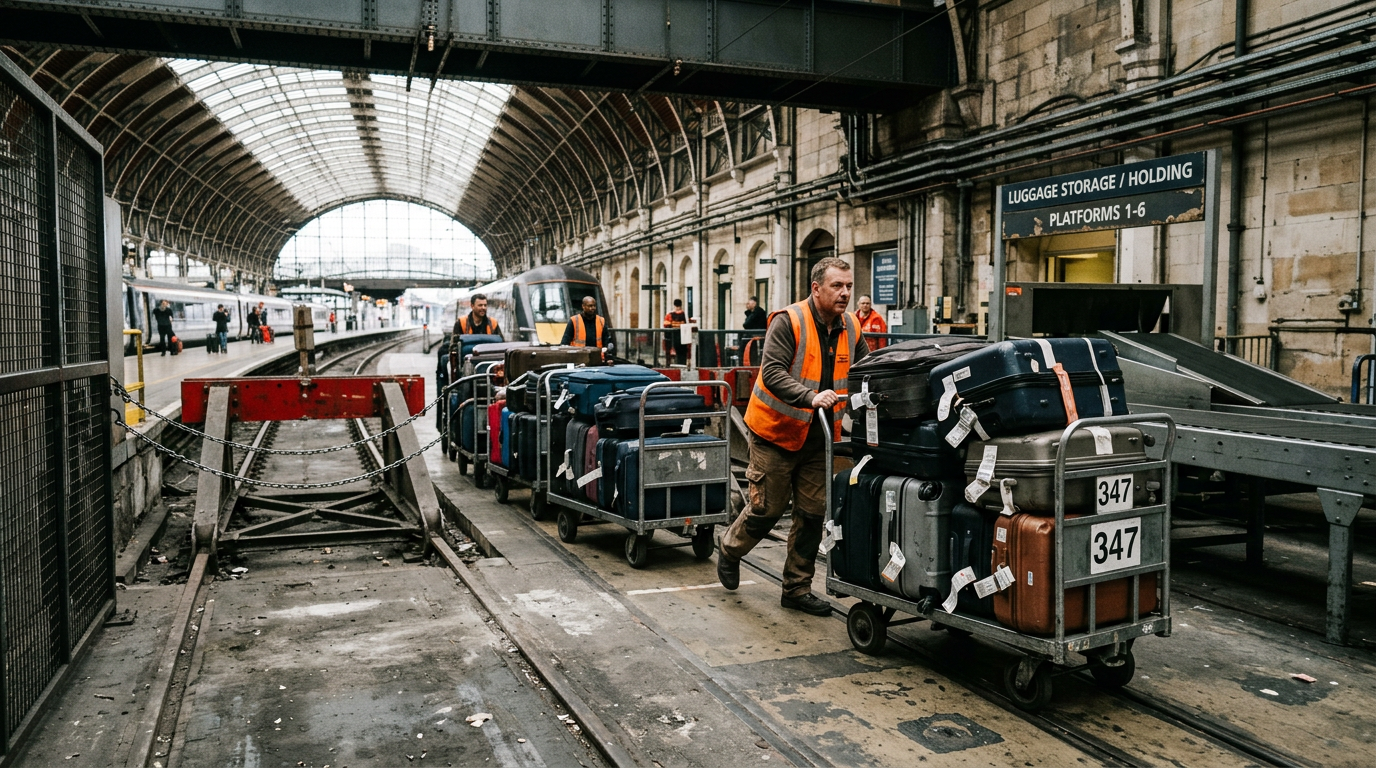
Knowing your weight limit is only half the battle. The real trick to navigating Thailand train luggage rules is understanding the physical architecture of the carriages. The SRT network uses a mix of rolling stock, from vintage 1990s carriages to ultra-modern Chinese-built trains. Storage varies wildly between them.
Storing Bags in Sleeper Cars
In the older carriages (often blue and white), the seats face each other and pull together to form the lower bunk. The gap beneath these seats is roughly 40cm high. A standard 65-liter backpack will squash down perfectly into this space. A rigid 24-inch suitcase will slide right in. A 28-inch suitcase will get stuck halfway, leaving the wheels jutting out into the aisle where the conductor will inevitably trip over it at 2:00 AM, which is why Thailand train luggage rules recommend compact bags for these berths.
On the newer CNR trains (Special Express routes 9, 10, 23, 24, 25, 31, 32), the storage is slightly different. The aisles are wider, but the under-seat clearance is tighter. There are dedicated luggage racks at the end of each carriage. These racks fill up fast. If you are boarding at a mid-point station, expect these racks to be full. This is why traveling light is highly recommended. View the Thailand Train Map to see which routes utilize these newer trains.
Day Trains and Express Railcars
If you are taking a daytime Sprinter train (Special Express DRC), you are in an airline-style seat. There is an overhead rack above you. It is sturdy, but it is not deep. Small suitcases, backpacks, and soft bags go up top. If you have a massive bag, you will have to leave it in the vestibule area near the doors. This is safe enough, but it blocks the exit and causes friction with the staff. To ensure a smooth trip, follow the Thailand train luggage rules for day trains. If you're heading toward the coast, consult the Map of Thailand’s Eastern Train Line and pack a soft beach bag rather than rigid luggage.
| Train Type | Primary Storage | Max Bag Size for Primary Storage | Security Level | Action |
|---|---|---|---|---|
| New CNR Sleepers | End-of-car racks | Up to 28-inch suitcase | High (CCTV equipped) | Book CNR Train |
| Classic Sleepers | Under lower bunk | 24-inch suitcase / 65L pack | High (Under your bed) | Book Classic |
| Day DRC (Sprinter) | Overhead racks | Cabin-size bag (20-inch) | Medium (Always visible) | Book Day Train |
Bicycles, Surfboards, and Thailand Train Luggage Rules for Oversized Gear
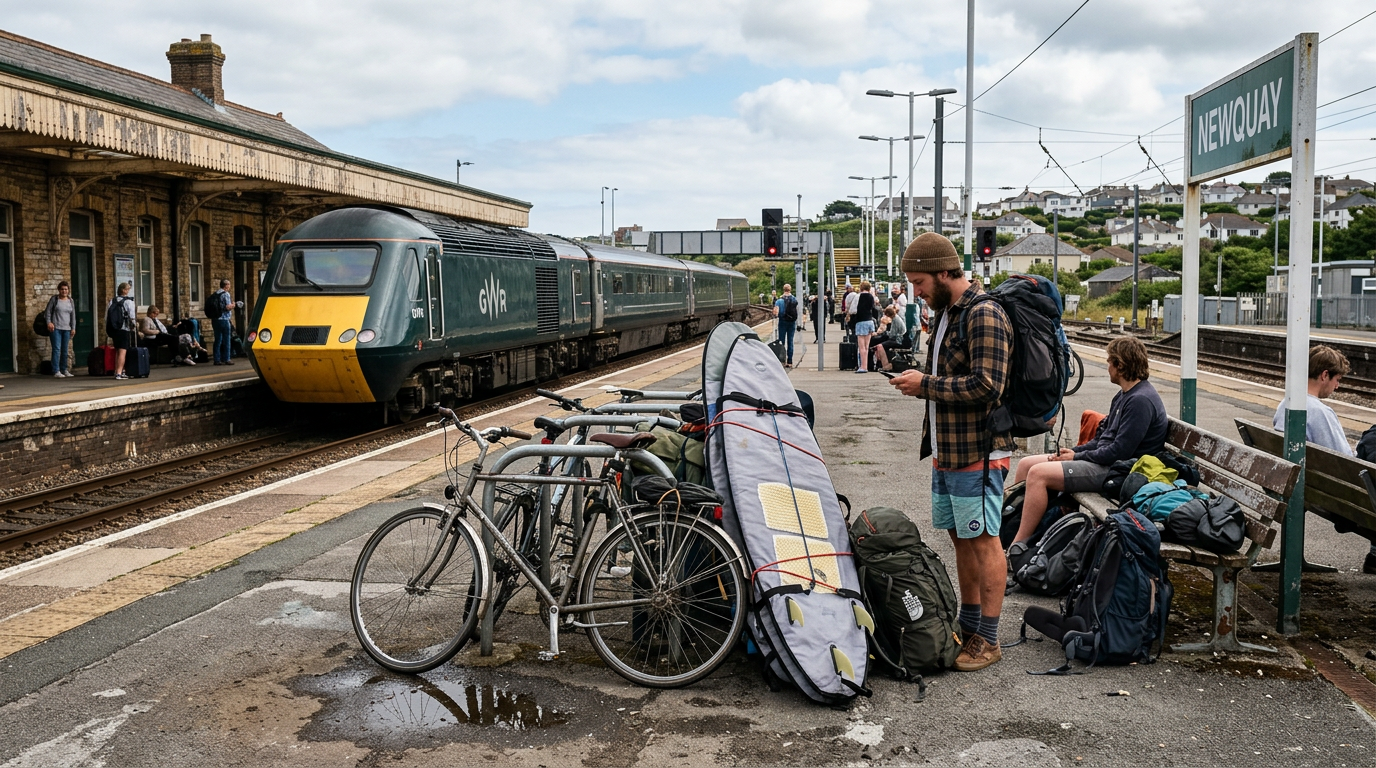
Thailand is a brilliant country for cycling, and taking your bike on the train is a rite of passage. But there is a massive catch. You can only bring bicycles and oversized cargo on trains that have a dedicated freight carriage (Baggage Van) as specified in the Thailand train luggage rules.
The ultra-modern CNR trains do not have freight cars. If you book Special Express #9 to Chiang Mai with a bicycle, you will be denied boarding. You must book the Express #51 or Rapid #109 instead, as these haul older cargo vans. Check the Map of Thailand’s Northern Train Line to plan your cycling route carefully.
Here is how the cargo system works. You arrive at the station at least an hour before departure. You take your bike or surfboard to the Cargo/Freight desk (usually located near the platforms). You show them your passenger ticket. They weigh the item, charge you a fee, and give you a receipt. You then physically walk your item to the cargo car and hand it to the freight master. The fee for a bicycle is roughly 90 to 120 THB depending on distance, plus a 20 THB handling fee. According to the State Railway of Thailand cargo guidelines for 2026, motorbikes up to 125cc can also be transported this way for around 1,200 THB.
Heading south for the waves? Take a look at the Map of Thailand’s Southern Train Line. Surfboards follow the exact same Thailand train luggage rules as bicycles. Wrap the fins heavily; the cargo cars are metal boxes and things bounce around.
7 Pro Tips for Managing Baggage on Thai Trains
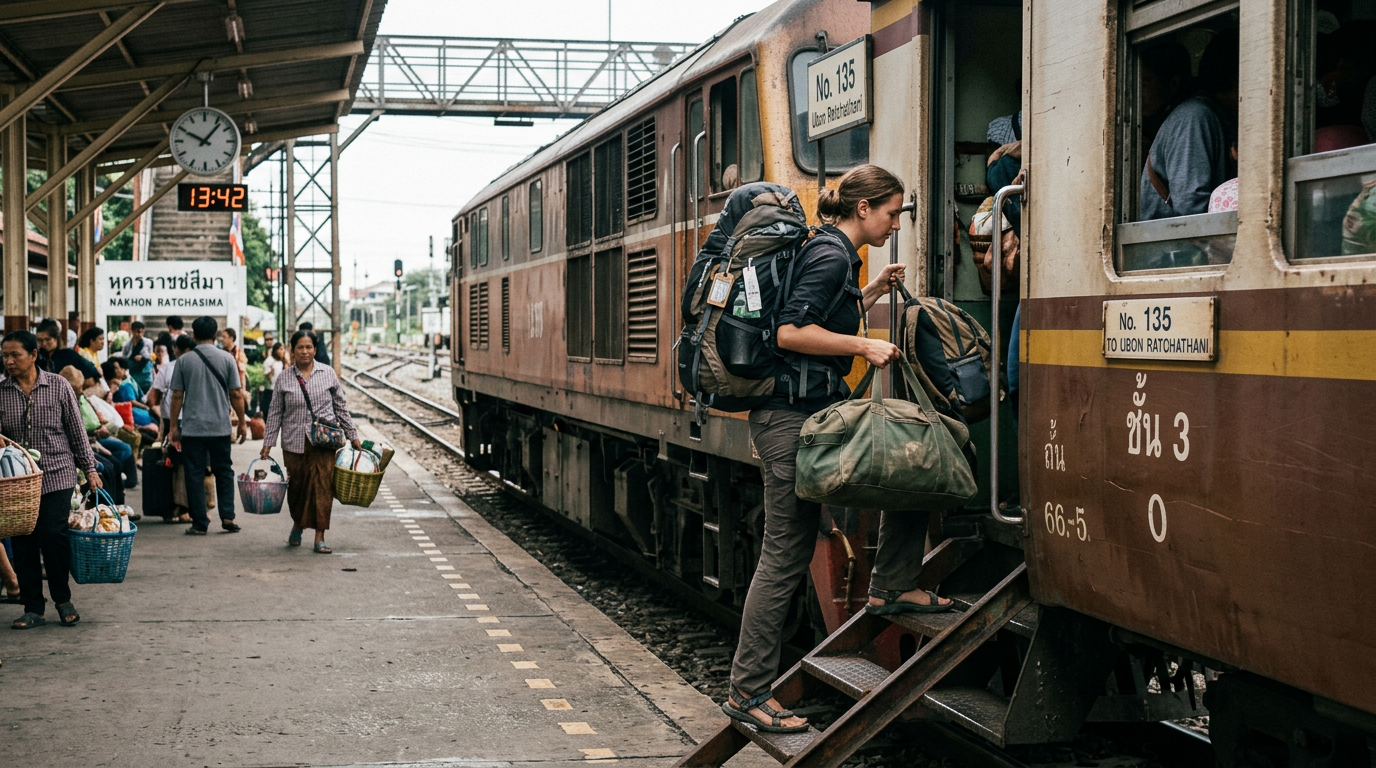
Theory is great, but practical experience saves the day. After countless journeys from Bangkok to the borders, here are the hard-learned rules of luggage.
- Thailand train luggage rules pro tip—The 24-Inch Rule is Absolute: If you want your bag under your lower bunk in a 2nd class sleeper, do not bring a suitcase larger than 24 inches. It simply will not fit, and you will end up sleeping with your knees pressed against it.
- Pack a Separate Overnight Tote: Once your main bag is stowed under the seat or on the end-of-car rack, opening it is a nightmare. Pack a small tote bag with your toothbrush, power bank, earplugs, and a warm layer. Keep this on your bunk.
- Use a Cable Lock for Peace of Mind: Theft is incredibly rare on Thai trains. But if you have to leave your bag on the end-of-car rack on a CNR train, threading a cheap bicycle cable lock through the handle and around the rack bars lets you sleep much deeper.
- Arrive Early for Cargo: If you are shipping a bicycle or massive boxes, arrive at Krung Thep Aphiwat Central Terminal at least 90 minutes early. The cargo desk queue moves slowly, and the freight cars are often at the extreme far end of the quarter-mile-long platforms.
- Beware the Border Crossings: If you are taking the train to Nong Khai to cross into Laos, you have to carry all your bags off the train, through Thai exit immigration, onto the shuttle train, and through Lao entry immigration. Pack light. See the Map of Thailand’s North Eastern Train Line for border station layouts.
- Soft Bags Beat Hard Shells: A 70-liter duffel bag can be squashed into overhead racks. A rigid 60-liter hard-shell suitcase cannot. Flexibility is your best friend on public transit.
- Book Online to Guarantee Lower Bunks: Lower bunks have the under-seat storage. Upper bunks do not. Lower bunks sell out weeks in advance. Learn How to book Thailand train tickets online? to secure that lower berth well ahead of your travel dates.
Ready to ride? Now that you are familiar with the latest Thailand train luggage rules, book your Thailand train tickets online to secure the best lower bunks and private cabins for your 2026 trip.
Frequently Asked Questions
How much are excess baggage fees on Thailand trains?
Excess baggage fees on Thailand trains typically range from 50 to 150 THB ($1.50 - $4.50) per oversized item, depending on the weight and distance. You can pay these fees at the station's cargo desk before boarding. Booking your tickets via thailandtrain.org ensures you have your seat confirmed before handling baggage logistics.
How do I store large suitcases on a Thailand sleeper train?
Large suitcases should be stored under the lower bunk in 2nd class sleepers, which typically accommodates bags up to 24 inches or 65 liters. If your luggage is larger, it may need to be placed in the dedicated baggage car for a small fee. Secure your preferred lower berth on thailandtrain.org to ensure the easiest storage access.
What is the difference in luggage allowance between 1st and 3rd class?
According to the official Thailand train luggage rules, the allowance for 1st class is 50kg per passenger, while 2nd class allows 40kg and 3rd class is limited to 30kg. While weight is rarely checked for standard backpacks, the physical space in 1st class cabins offers significantly more private storage than the overhead racks in 3rd class.
What size suitcase fits under a Thailand train sleeper bunk?
A standard 24-inch medium suitcase or a 65-liter backpack is the maximum size that comfortably fits under a lower sleeper bunk on Thai trains. Bags larger than 24 inches often block the narrow aisles and may require checking into the freight van. Check current schedules and book your sleeper berths early at thailandtrain.org.
Can I bring a bicycle on a Thailand train?
Yes, you can bring a bicycle on Thailand trains, but only on services that include a dedicated baggage car or freight van. You must purchase a separate cargo ticket at the station, usually costing around 90-150 THB. It is recommended to check the train composition on thailandtrain.org before planning your cycling trip.
Is luggage safe on overnight trains in Thailand?
Luggage is generally very safe on Thai overnight trains, though it is best practice to use a small padlock on your zippers and keep valuables in a daypack by your side. Most travelers chain their larger bags to the bunk frame for extra peace of mind during the night. You can book secure sleeper cabins directly at thailandtrain.org.


![Morocco Train Routes: Al Boraq & Al Atlas [2026 Guide]](https://static.moroccotrain.com/images/articles/cover-1773065626181.png)